Outdoor exercise environments have become increasingly popular as people seek healthier lifestyles and stronger connections with nature. Fresh air, natural sunlight, and open surroundings often create calming atmospheres that improve focus, relaxation, and physical motivation during daily routines. Many individuals now transform patios, gardens, rooftops, and backyard spaces into personal workout areas designed for meditation, stretching, and mindful movement practices. Despite these benefits, insect activity can occasionally interrupt otherwise peaceful outdoor experiences.
Natural outdoor environments attract pollinators because flowering plants, water sources, and shaded areas provide ideal feeding and resting conditions. While bees contribute positively to ecological balance and plant health, excessive activity near exercise spaces may create distractions or safety concerns for individuals practicing movement routines outdoors regularly. Understanding why pollinators gather near these environments helps homeowners create safer and more comfortable workout settings without harming surrounding ecosystems.
Why Bees Are Attracted to Outdoor Exercise Areas
Many homeowners feel surprised when pollinators gather near spaces intended for stretching, meditation, or physical activity. However, several environmental and behavioral factors naturally attract insects to outdoor recreational areas, especially during warmer seasons when bee activity increases significantly across residential neighborhoods and garden landscapes.
One major attraction involves moisture produced through exercise routines. Perspiration contains salt and minerals that may attract pollinators searching for hydration sources during hot weather conditions. Outdoor workouts often increase body temperature and sweating, unintentionally drawing insects toward exercise participants, particularly during extended routines under direct sunlight.
Sweetened beverages and flavored hydration products may also contribute to increased activity. Sports drinks, fruit-infused water, energy beverages, and smoothie containers sometimes leave sugary residue capable of attracting insects quickly. Even small spills or uncovered drink containers positioned near workout mats may encourage pollinators to investigate surrounding areas repeatedly.
Scented lotions, perfumes, sunscreen products, and aromatic essential oils further influence insect behavior. Many personal care products contain floral or fruity fragrances resembling nectar-producing plants naturally attracting pollinators. Individuals practicing outdoor movement routines while wearing heavily scented products may therefore experience more frequent insect encounters during sessions.
Landscaping design plays an equally important role in determining activity levels near recreational spaces. Flowering plants positioned close to patios, decks, or exercise platforms naturally attract pollinators seeking nectar and pollen. While gardens enhance visual beauty and relaxation, excessive vegetation density surrounding workout areas may increase insect concentration significantly during blooming seasons.
Designing Outdoor Spaces for Safer Yoga or Fitness Routines
Thoughtful outdoor design significantly influences comfort, focus, and safety during exercise routines practiced outside. Individuals creating dedicated movement spaces benefit from planning environments strategically to minimize insect attraction while maintaining natural beauty and relaxation. Long-term comfort depends on balancing functionality, cleanliness, and environmental awareness throughout every aspect of outdoor wellness design.
Location selection represents one of the most important planning considerations. Exercise spaces positioned away from dense flower beds, compost areas, fruit trees, or standing water generally experience lower pollinator activity levels. Open and well-ventilated areas often provide better airflow while reducing concentrated insect presence near movement zones.
Flooring and surface materials also contribute to overall comfort and maintenance. Smooth patios, wooden decks, stone platforms, and artificial turf create stable workout environments easier to clean and inspect regularly. Cracked surfaces, neglected corners, or damp wooden structures may attract insects seeking shelter or nesting opportunities over time.
Shade structures should support airflow without trapping excessive moisture or creating hidden nesting spaces. Umbrellas, pergolas, retractable canopies, and lightweight coverings often work effectively when inspected routinely for insect activity or structural damage. Clean and dry shade areas remain more comfortable while discouraging unwanted nesting behavior.
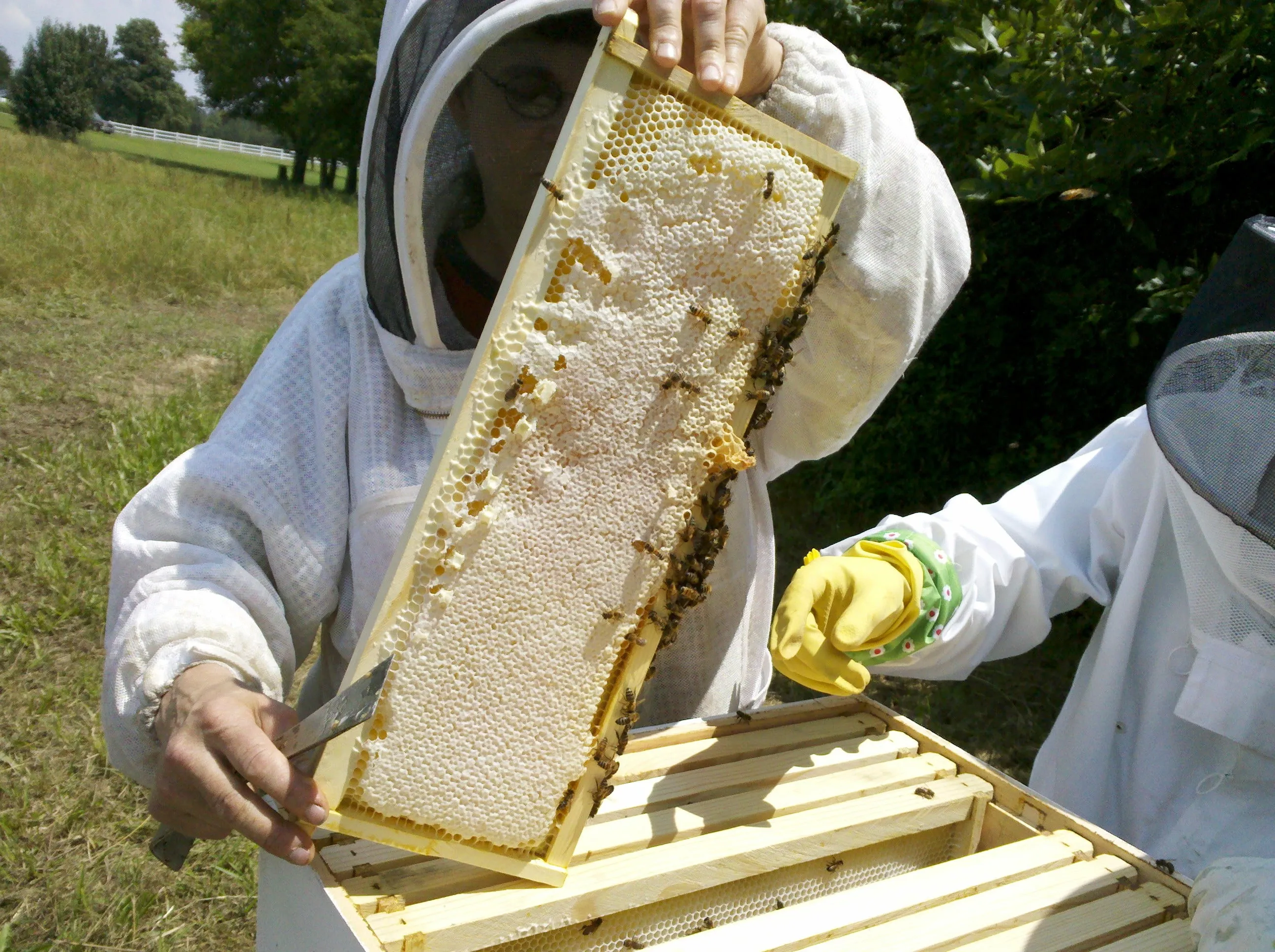
Some homeowners experiencing persistent nesting issues near recreational spaces eventually seek professional guidance regarding humane relocation and prevention strategies. Individuals prioritizing environmentally conscious property care may consult residential bee removal service in Los Angeles to assess recurring activity while preserving safe outdoor wellness environments and respecting local pollinator populations responsibly.
Intentional design choices ultimately support more enjoyable outdoor exercise experiences. By combining strategic landscaping, routine maintenance, clean surfaces, and thoughtful placement of wellness areas, homeowners can create peaceful spaces encouraging both physical movement and emotional relaxation throughout changing seasons.
Safe Prevention Methods for Reducing Bee Activity Naturally
Preventing excessive insect activity around outdoor exercise areas requires consistency and environmental awareness rather than aggressive extermination methods. Many homeowners prefer natural prevention strategies supporting pollinator conservation while minimizing disruptions near spaces used for stretching, meditation, or physical activity. Sustainable prevention focuses on discouraging attraction rather than eliminating beneficial insects entirely.
Reducing strong fragrances often provides immediate improvement around recreational areas. Unscented sunscreen, fragrance-free lotions, and lightly scented personal care products generally attract fewer pollinators during outdoor sessions. Individuals particularly sensitive to insect presence may benefit from avoiding floral perfumes or sweet-smelling body sprays before exercising outside.
Hydration management also influences outdoor conditions significantly. Covered water bottles and sealed beverage containers reduce sugary residue capable of attracting insects quickly. Cleaning spills immediately and avoiding open drink containers during sessions further minimizes opportunities for pollinators to gather near workout areas unexpectedly.
Scheduling exercise routines thoughtfully may help reduce encounters naturally. Midday workouts often experience lower insect activity because higher temperatures encourage pollinators to remain closer to shaded vegetation or feeding areas. Adjusting routine timing based on seasonal conditions can therefore improve comfort without requiring major environmental modifications.
Natural airflow discourages concentrated insect activity as well. Outdoor fans positioned strategically around patios or exercise spaces create gentle air movement interfering with pollinator flight patterns while improving comfort during warmer weather. Proper ventilation also reduces stagnant moisture and perspiration buildup near workout surfaces.
Building Long-Term Outdoor Wellness Environments That Feel Balanced
Modern wellness culture increasingly emphasizes intentional living, emotional balance, and meaningful connections with natural surroundings. Outdoor exercise spaces represent more than temporary fitness trends for many individuals because they provide environments supporting mindfulness, relaxation, and healthier daily habits. Maintaining these spaces successfully, therefore, requires thoughtful long-term planning focused on both comfort and sustainability.
Consistent maintenance remains one of the most effective strategies for preserving safe recreational environments. Seasonal inspections, routine cleaning, moisture management, and landscaping care collectively reduce conditions attracting excessive insect activity over time. Small preventive habits often prevent larger disruptions while extending the usability and beauty of outdoor wellness areas.
Environmental awareness also shapes long-term success significantly. Pollinators remain essential contributors to ecosystem health, supporting plant reproduction and biodiversity throughout residential landscapes. Homeowners who understand this ecological importance often approach prevention more responsibly by focusing on relocation, habitat balance, and structural maintenance rather than unnecessary extermination practices.
Community education may further strengthen environmentally conscious property care within residential neighborhoods. Shared awareness regarding pollinator behavior, sustainable landscaping, and humane management encourages safer interactions with beneficial insects while reducing fear and misinformation surrounding outdoor environments generally.
Climate patterns and urban development trends may continue influencing pollinator behavior in future years. As temperatures fluctuate and natural habitats shift, residential gardens and patios may increasingly attract insects searching for food and shelter. Homeowners prepared with proactive maintenance routines and thoughtful outdoor design strategies will likely adapt more effectively to these evolving environmental conditions.