Category

Business & Finance

Comprehensive discussions and expert insights revolving around business & finance trends and best practices.

May 18, 2026 260 Reads

Why Collate Is Important in Printing

IntroductionIf you’ve ever printed multiple copies of a document, you may have seen the option “collate” in printer settings. Understanding why collate is important in printing can save time, reduce confusion, and keep your documents properly organized.In simple terms, collate ensures that printed pages come out in complete sets instead of mixed stacks. This small setting makes a big difference, especially for reports, assignments, and business documents.What Does Collate Mean in Printing?What does collate mean when printing. Printing pages in the correct order for each complete copy of a document.Example:If you print 3 copies of a 5-page document:Collated: Copy 1 → Pages 1-2-3-4-5 Copy 2 → Pages 1-2-3-4-5 Copy 3 → Pages 1-2-3-4-5Uncollated: Pages are grouped like this: 1-1-1, 2-2-2, 3-3-3, etc.Why Collate Is Important in Printing1. Keeps Documents OrganizedCollate ensures each printed set is complete and properly ordered.No mixing pagesNo manual sorting needed2. Saves Time and EffortWithout collate, you must:Sort pages manuallyRe-arrange stacksFix printing mistakesWith collate:Everything prints in order automatically3. Reduces Printing ErrorsCollation prevents:Missing pagesMixed-up documentsIncorrect distribution of pagesThis is especially important for:Business reportsSchool assignmentsLegal documents4. Improves Professional PresentationProperly collated documents:Look cleanAre easier to readShow professionalism5. Essential for Bulk Printing JobsWhen printing multiple copies:Collate meaning ensures each copy is completeSaves office workloadReduces confusion during distributionHow Collate Works in PrintingStep-by-Step ProcessYou select number of copiesYou enable “collate” optionPrinter prints full sets in orderEach set is automatically arrangedCollated vs Uncollated PrintingCollated PrintingPages printed in full order per copyReady to use immediatelyNo sorting neededUncollated PrintingPages grouped by numberRequires manual sortingFaster for specific tasks (like handouts)When to Use Collate in PrintingUse collate when printing:ReportsBooks or manualsAssignmentsOffice documentsMulti-page formsBenefits of Collated PrintingSaves timeReduces human errorImproves workflow efficiencyEnhances document organizationIdeal for professional useHow to Enable Collate in Printer SettingsEasy Steps:Open print menuSelect number of copiesCheck “Collate” optionClick printConclusion (CTA)Understanding why collate printing helps you save time, reduce errors, and keep documents organized. Whether you’re printing school work or office reports, using the collate option ensures professional results every time.Next time you print, always check the collate option for clean and organized output.

e
ericwesely
May 18, 2026 56 Reads

Preventing Excitation System Failures in GE Turbines

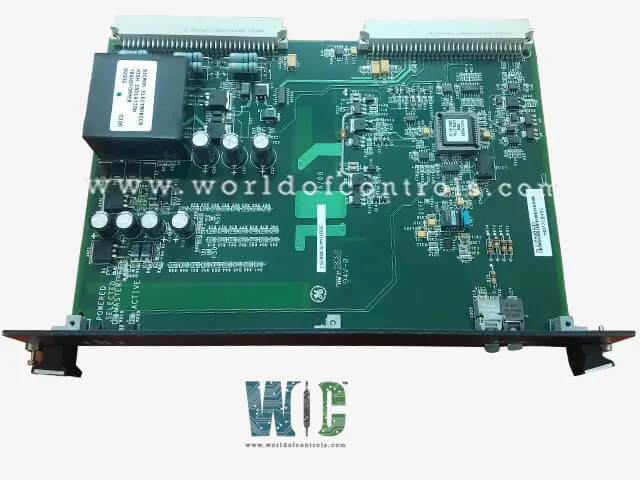
IntroductionIn modern power plants, turbine reliability depends heavily on the performance of the generator excitation system. Any malfunction within this system can lead to voltage instability, unexpected shutdowns, and costly maintenance procedures. Since gas and steam turbines operate under demanding conditions, maintaining a healthy excitation system is essential for uninterrupted power generation.One of the most critical aspects of excitation system protection is ground fault detection. Ground detector boards are widely used in GE turbine systems to monitor electrical conditions and identify faults before they become major operational problems.Understanding the Excitation System in GE TurbinesThe excitation system is responsible for supplying field current to the generator rotor. This process allows the generator to maintain stable voltage and reliable power output during turbine operation.In industrial turbine environments, excitation systems are exposed to continuous electrical stress, vibration, heat, and environmental contamination. Over time, these factors can affect system performance and increase the risk of failure.Common excitation system problems include:Ground faultsInsulation deteriorationVoltage irregularitiesMoisture contaminationAging electrical componentsConnector and wiring issuesWithout proper monitoring and protection, these issues can escalate into serious generator damage or turbine trips.Importance of Ground Fault DetectionGround faults are among the most common electrical problems found in turbine excitation systems. Even a small ground fault can create abnormal current paths that affect generator performance and compromise plant safety.Ground detector boards are designed to continuously monitor excitation circuits and detect unintended grounding conditions. These boards act as an early warning system, allowing plant operators to identify problems before they result in equipment failure or unplanned outages.Continuous System MonitoringGround detector boards constantly analyze excitation system conditions to detect leakage currents or abnormal grounding activity.Improved Equipment ProtectionEarly fault identification helps protect generators, transformers, and turbine control equipment from electrical damage.Increased Turbine ReliabilityReliable fault monitoring reduces the likelihood of sudden shutdowns and improves overall turbine availability.Support for Predictive MaintenanceMonitoring systems provide valuable diagnostic information that helps maintenance teams detect deteriorating components before failure occurs.Common Causes of Excitation System FailuresPreventing failures begins with understanding the conditions that commonly affect turbine excitation systems.Insulation BreakdownElectrical insulation naturally degrades over time due to thermal stress and continuous operation. Damaged insulation increases the possibility of ground faults.Environmental ContaminationDust, humidity, oil vapor, and moisture can interfere with sensitive electrical components and reduce system reliability.Aging ComponentsElectronic boards, relays, and connectors experience wear during long-term operation, especially in high-temperature turbine environments.Lack of Preventive MaintenanceWithout regular inspections and testing, small electrical issues may remain undetected until they become critical failures.Best Practices for Preventing Excitation FailuresPower plants can reduce excitation system failures by adopting proactive maintenance and monitoring strategies.Conduct Routine InspectionsRegular inspection of excitation cabinets, wiring, and protective devices helps identify wear, overheating, and contamination early.Test Monitoring and Protection SystemsGround detection and protection equipment should be tested periodically to ensure accurate operation.Maintain Clean Operating ConditionsKeeping turbine control panels dry and free from contaminants improves the lifespan of electrical components.Replace Aging EquipmentUpgrading aging boards and electrical hardware helps improve long-term system reliability.Implement Predictive Maintenance ProgramsUsing diagnostic monitoring tools allows operators to identify abnormal conditions before they impact turbine performance.ConclusionExcitation system reliability plays a major role in maintaining stable and efficient turbine operations. Ground fault monitoring solutions are essential for protecting generators, reducing downtime, and preventing costly equipment failures.By combining advanced monitoring technologies with regular maintenance practices, power plants can improve operational reliability and extend the lifespan of critical turbine systems. Effective excitation system protection not only enhances plant safety but also supports continuous and efficient power generation.

G
George Philips
May 18, 2026 40 Reads

Custom T Shirt Printing in Pune | ISO-Certified Service

A delayed dispatch of 800 branded tees can wreck an entire campaign launch. We've seen procurement teams spend weeks approving artwork, only to receive faded logo placements, mismatched fabric shades, or prints that crack after two washes. That’s usually what happens when buyers treat Custom T Shirt Printing as a commodity purchase instead of a production process with variables that actually matter.And yet, most suppliers still pitch only price.For wholesalers, procurement managers, and brand owners, T-Shirt Printing is tied directly to brand perception, retail margins, and repeat business. A poor logo print doesn’t just look bad. It increases returns, damages distributor confidence, and quietly kills reorder volume over the next quarter.The Printing Specification Detail Most Buyers SkipFabric GSM Changes the Entire Print OutcomeA 160 GSM cotton tee behaves very differently from a 220 GSM bio-washed blend during printing. Water-based inks absorb differently. Heat transfer reacts differently under curing temperatures. Even logo sharpness changes.Most buyers focus only on colour charts.That’s a mistake.According to a 2024 textile processing report from the Indian Technical Textile Association, nearly 18% of apparel print complaints were linked to fabric-print incompatibility rather than artwork errors. Buyers rarely ask about that during vendor discussions.Screen Printing vs DTF vs SublimationNot every printing method suits every order size or usage condition.Screen PrintingBest for bulk runs above 300 pieces with solid colour logos. Lower per-unit cost after setup. Strong durability if curing temperatures are controlled properly.Bad suppliers rush curing cycles to save electricity. The print looks fine initially, then cracks after repeated washing.DTF (Direct-to-Film)Suitable for multi-colour branding and smaller MOQ orders. Good detail reproduction for promotional campaigns and startup merchandise.Which means artwork quality matters far more than buyers expect. A low-resolution logo file will show every flaw during transfer.Sublimation PrintingUsed mostly for polyester sportswear and event jerseys. Excellent colour vibrancy. Poor choice for dark cotton fabrics.Nobody tells you this upfront because some vendors will accept unsuitable jobs just to secure the PO.Logo Placement Tolerances MatterProfessional Logo T Shirt Print work follows measurable placement standards. Chest logos shifted even 1.5 cm off-centre become obvious in retail displays.A supplier who says, “alignment differences happen,” is warning you before the problem even starts.Wash Testing Is Harder Than Buyers ExpectProper wash testing takes time. Real testing involves multiple wash cycles, heat exposure, and stretch evaluation. Many vendors simply rub the print manually and call it “tested.”That isn’t testing.Five Supplier Evaluation Criteria That Actually Protect Your Margins1. Ask for Process Documentation, Not Just SamplesA polished sample means very little if the production batch is outsourced later.Ask:Who handles printing in-house?What curing temperatures are maintained?Is there a batch inspection process?A bad answer sounds like: “We manage quality manually.”That usually means there is no documented system.2. Verify Print RepeatabilityConsistency across 500 pieces matters more than perfection on two showroom samples.According to a 2023 FICCI apparel manufacturing survey, repeat-order rejection rates increased by 11% mainly because suppliers failed colour consistency checks between batches.Ask suppliers for:Batch photosPantone matching referencesPrevious bulk production records3. Inspect Packaging StandardsFold quality, moisture protection, barcode placement, and carton strength affect resale condition during transport.Most buyers notice packaging problems only after distributor complaints arrive.A poor supplier response: “We pack according to requirement.”That statement means nothing unless specifications are written down.4. Confirm Actual Production CapacitySome vendors accept 5,000-piece orders while operating machines built for 800-piece weekly output. The result is subcontracting, delayed dispatches, and inconsistent print quality.Which means your procurement risk quietly multiplies after PO approval.5. Check Certification ValidityAn ISO-certified facility should have updated process records, audit history, and traceable workflows.A lapsed certificate isn’t a paperwork issue. It usually signals operational inconsistency somewhere deeper in the factory.How Reliable T-Shirt Printing Protects Buyer ProfitabilityFewer Returns From Retail PartnersAccurate T Shirt Printing Services reduce peeling, fading, and stitching complaints. That lowers replacement costs and protects dealer relationships.Better Brand Recall During PromotionsSharp print definition improves logo visibility during exhibitions, corporate events, and retail campaigns. Small print distortions become highly visible under event lighting.Predictable Reorder CyclesReliable suppliers make forecasting easier. Procurement teams hate uncertainty more than they hate higher pricing.Lower Hidden Logistics CostsIncorrect carton counts and inconsistent sizing create warehouse reconciliation delays. A disciplined T-Shirt Printing Service reduces those downstream issues.Improved Distributor ConfidenceDistributors reorder faster when first shipments arrive correctly labelled, correctly packed, and without print defects.Trust compounds quietly in B2B.Reduced Campaign DelaysMarketing launches tied to apparel distribution are unforgiving. One delayed shipment can disrupt dealer meets, trade expos, or franchise launches scheduled months ahead.Why T-Shirt Printing in Pune Makes Operational SensePune has become a strong apparel and promotional manufacturing hub partly because of its logistics positioning. Access to Mumbai freight networks, industrial printing supply chains, and western India distribution routes reduces lead-time variability compared to many Tier-2 cities.That matters more than buyers admit.For brands looking for T-Shirt Printing in Pune, vendor accessibility also improves inspection control. Procurement teams can physically verify print runs instead of depending entirely on WhatsApp photos.And for urgent dispatches, proximity matters. A same-week correction is possible when production happens locally.Buyers searching for Custom T Shirt Printing in Pune or Logo T Shirt Printing in Pune often underestimate how much freight coordination impacts final landed cost.We Learned Early That Cheap Ink Creates Expensive ProblemsAt Systemagic, we’ve worked with wholesalers, institutional buyers, retailers, and brand owners who needed consistency more than marketing promises.We operate from Shukrawar Peth and handle production with documented quality checks because large-volume printing leaves very little room for “adjustments later.”Back in 2021, we stopped using one polyester blend after repeated UV-fade complaints from outdoor event clients in Rajasthan and Gujarat. The fabric cost was lower. The complaints cost more. We changed suppliers instead of arguing with buyers.That’s how long-term production decisions are actually made.Our ISO-certified processes are designed for repeatability, not showroom sampling. And yes, there’s a difference.Send Us the Specs Before You Send the POIf you're sourcing Custom T Shirt Printing Services for dealer events, retail branding, institutional campaigns, or promotional distribution, send us:Artwork filesRequired quantityFabric preferenceGSM requirementDelivery timelinePackaging specificationsWe typically respond within one business day.MOQ discussions depend on print method and fabric type, but we handle both small controlled runs and bulk commercial orders.Final Thoughts on Choosing the Right T-Shirt Printing PartnerGood Custom T Shirt Printing is operational discipline disguised as merchandise production. Buyers who evaluate only unit pricing usually pay for it later through returns, delays, or inconsistent branding. The stronger suppliers talk openly about limitations, testing methods, and production realities because that’s what keeps repeat orders stable. As promotional apparel demand keeps rising across India, procurement decisions around T-Shirt Printing will become more quality-sensitive, not less.FAQsWhat is the best printing method for bulk T-Shirt Printing orders?When an order is more than 300-500 t-shirts and the design is simple, the best option is usually screen printing. This is the most economical of the options. It is a method that provides a durable design and, after the setup is complete, is a lower cost option on a per-unit basis. For designs that have multiple colors, DTF printing may be a better option even though it has a slightly higher cost of production.How long do Custom T Shirt Printing Services usually take?Custom T-Shirt printing services have different timelines based on many variables such as the fabric, how quickly the art is approved, and the size of the orders. For a bulk order, the fabric printing can take between 7-15 working days. If a company guarantees a large order of fabric prints in less than 2 days and they have not promised to confirm stock, it is probable that they have an outsourced production service.Can Logo T Shirt Printing Services match Pantone colors?Almost, but not exactly as some fabrics do not match Pantone colors exactly. Quality screen printing companies can get very close, but if you have mixed-fabric garb, dye may get absorbed slightly. Quality supply companies will outline the acceptable limits for tolerances.Why do some T-shirt prints crack after washing?Usually due to an incorrect combination of the fabric and the type of printing ink. The more printing that can be done in a shorter time cycle, the more likely this is to happen.Is Custom T Shirt Printing in Pune suitable for nationwide distribution?Yes, this is very possible due to the optimal freight shipping accessibility to the logistics routes in the western parts of India. This drastically decreases dispatch variability for distributors handling campaigns that span multiple Indian states.What files should buyers send for Logo T Shirt Print approval?The best option is an AI or an AI and EPS file in addition to a high quality PDF. For production, pulled images in PNG format from the website can cause a very noticeable distortion on the outer edges the print will be.How Can I Find Trustworthy T-Shirt Printing Services?See if they can provide samples showing identical prints, an example of a printed shirt after it's been washed, sample showing how they pack orders, and how their printing process works. Good businesses answer your questions and provide proper feedback. Bad businesses avoid questions and like to keep everything in the grey area.

s
syste magic
May 18, 2026 59 Reads

Best Blast Resistant Doors in India

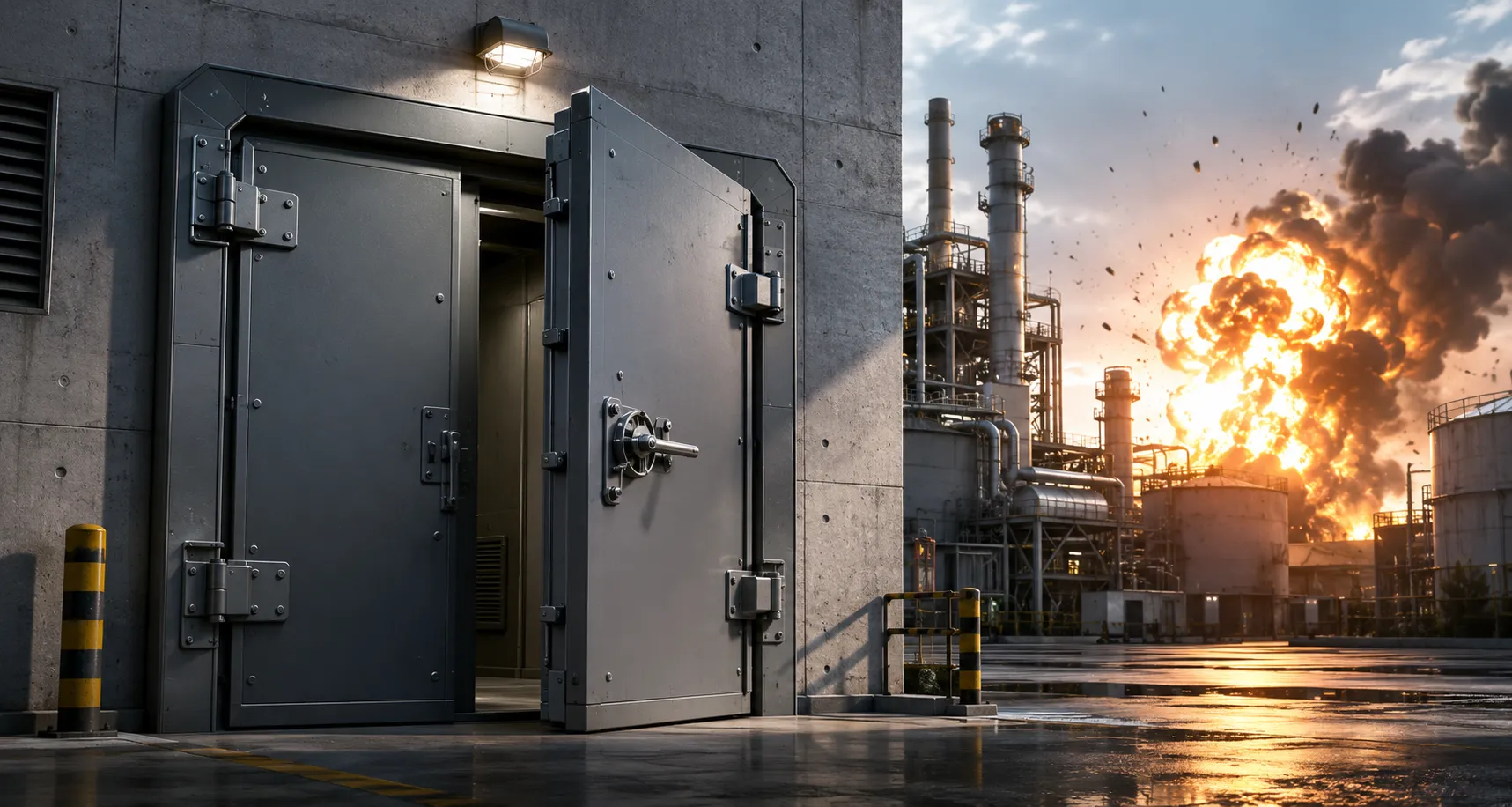
Blast resistant doors are specially engineered safety systems designed to protect people, critical infrastructure, and industrial facilities from explosions, shock waves, flying debris, and sudden pressure changes. Since the commercial introduction of blast protection doors during the 1950s Cold War era, the technology behind these advanced safety doors has evolved significantly. Today, industries operating in high-risk environments rely on modern blast resistant doors to maintain structural integrity, operational continuity, and personnel safety during hazardous incidents.Sigma Power Tech manufactures high-performance Blast Doors that are designed to meet demanding industrial and security requirements. These doors are engineered using reinforced steel construction, heavy-duty internal supports, and advanced locking mechanisms that provide exceptional resistance against blast pressure and impact forces. Unlike conventional industrial doors, blast resistant doors are specifically built to absorb and reduce the effects of explosions while minimizing structural damage to surrounding areas.Modern industrial facilities such as oil refineries, petrochemical plants, power stations, military installations, chemical processing units, offshore platforms, research laboratories, and hazardous manufacturing environments require advanced protective systems capable of operating under extreme conditions. Sigma Power Tech Blast Resistant Doors are developed to provide reliable protection in these critical applications where safety is a top priority.One of the key advantages of blast resistant doors is their robust construction. Sigma Power Tech designs these doors using high-strength reinforced steel and specialized composite materials that improve durability and impact resistance. Door frames are manufactured with precision-welded steel sections to ensure superior structural strength and long-term reliability. Depending on project requirements, the doors are available in both single-leaf and double-leaf configurations and can be customized in a wide range of sizes.The door leaf structure is engineered with reinforced internal layers that help dissipate blast energy and withstand sudden pressure changes. These doors are designed to reduce the transmission of shock waves while helping to protect personnel, sensitive equipment, and valuable assets inside protected facilities. In high-risk industrial environments, blast resistant doors serve as a critical barrier between hazardous zones and operational areas.Sigma Power Tech also offers various finishing options to meet both functional and architectural requirements. Standard factory-applied primer coatings provide corrosion resistance and surface protection, while additional finishing solutions such as pre-coated steel sheets, stainless steel cladding, and industrial-grade wet paint finishes are available for enhanced durability and appearance. These finishing options allow the doors to perform effectively in harsh environments including chemical plants, coastal facilities, and outdoor industrial installations.To further improve operational efficiency and safety, Sigma Power Tech Blast Resistant Doors can be integrated with multiple advanced accessories and control systems. These include heavy-duty locking hardware, self-closing devices, door coordinators, access control systems, automatic operators connected with building management systems, and ventilation louvers for both fire-rated and non-fire-rated applications. Additional accessories such as drip caps for exterior doors help improve weather resistance and long-term performance.Blast resistant doors are not only important for explosion protection but also contribute significantly to overall facility security and emergency preparedness. In the event of an industrial accident or external blast threat, these doors help contain damage, maintain protected zones, and support safe evacuation procedures. Their ability to withstand extreme forces makes them an essential component in modern industrial safety planning.With increasing global focus on industrial safety standards and infrastructure protection, the demand for reliable blast resistant door systems continues to grow. Sigma Power Tech remains committed to delivering advanced blast protection solutions that combine strength, durability, engineering precision, and dependable performance for critical industrial and defense applications.

S
Sigma Power Tech