Introduction
In modern power plants, turbine reliability depends heavily on the performance of the generator excitation system. Any malfunction within this system can lead to voltage instability, unexpected shutdowns, and costly maintenance procedures. Since gas and steam turbines operate under demanding conditions, maintaining a healthy excitation system is essential for uninterrupted power generation.
One of the most critical aspects of excitation system protection is ground fault detection. Ground detector boards are widely used in GE turbine systems to monitor electrical conditions and identify faults before they become major operational problems.
Understanding the Excitation System in GE Turbines
The excitation system is responsible for supplying field current to the generator rotor. This process allows the generator to maintain stable voltage and reliable power output during turbine operation.
In industrial turbine environments, excitation systems are exposed to continuous electrical stress, vibration, heat, and environmental contamination. Over time, these factors can affect system performance and increase the risk of failure.
Common excitation system problems include:
- Ground faults
- Insulation deterioration
- Voltage irregularities
- Moisture contamination
- Aging electrical components
- Connector and wiring issues
Without proper monitoring and protection, these issues can escalate into serious generator damage or turbine trips.
Importance of Ground Fault Detection
Ground faults are among the most common electrical problems found in turbine excitation systems. Even a small ground fault can create abnormal current paths that affect generator performance and compromise plant safety.
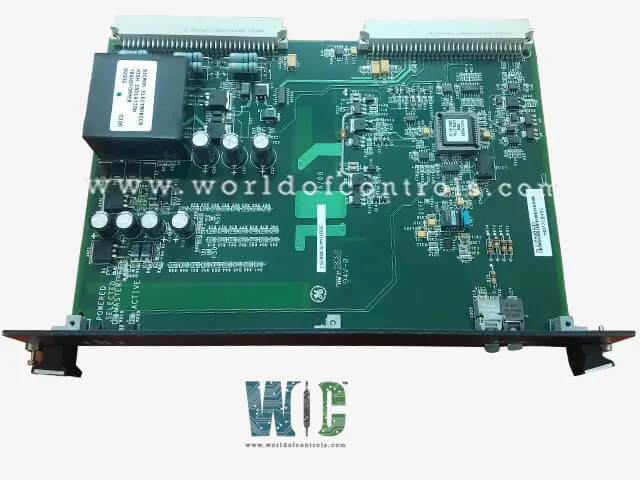
Ground detector boards are designed to continuously monitor excitation circuits and detect unintended grounding conditions. These boards act as an early warning system, allowing plant operators to identify problems before they result in equipment failure or unplanned outages.
Continuous System Monitoring
Ground detector boards constantly analyze excitation system conditions to detect leakage currents or abnormal grounding activity.
Improved Equipment Protection
Early fault identification helps protect generators, transformers, and turbine control equipment from electrical damage.
Increased Turbine Reliability
Reliable fault monitoring reduces the likelihood of sudden shutdowns and improves overall turbine availability.
Support for Predictive Maintenance
Monitoring systems provide valuable diagnostic information that helps maintenance teams detect deteriorating components before failure occurs.
Common Causes of Excitation System Failures
Preventing failures begins with understanding the conditions that commonly affect turbine excitation systems.
Insulation Breakdown
Electrical insulation naturally degrades over time due to thermal stress and continuous operation. Damaged insulation increases the possibility of ground faults.
Environmental Contamination
Dust, humidity, oil vapor, and moisture can interfere with sensitive electrical components and reduce system reliability.
Aging Components
Electronic boards, relays, and connectors experience wear during long-term operation, especially in high-temperature turbine environments.
Lack of Preventive Maintenance
Without regular inspections and testing, small electrical issues may remain undetected until they become critical failures.
Best Practices for Preventing Excitation Failures
Power plants can reduce excitation system failures by adopting proactive maintenance and monitoring strategies.
Conduct Routine Inspections
Regular inspection of excitation cabinets, wiring, and protective devices helps identify wear, overheating, and contamination early.
Test Monitoring and Protection Systems
Ground detection and protection equipment should be tested periodically to ensure accurate operation.
Maintain Clean Operating Conditions
Keeping turbine control panels dry and free from contaminants improves the lifespan of electrical components.
Replace Aging Equipment
Upgrading aging boards and electrical hardware helps improve long-term system reliability.
Implement Predictive Maintenance Programs
Using diagnostic monitoring tools allows operators to identify abnormal conditions before they impact turbine performance.
Conclusion
Excitation system reliability plays a major role in maintaining stable and efficient turbine operations. Ground fault monitoring solutions are essential for protecting generators, reducing downtime, and preventing costly equipment failures.
By combining advanced monitoring technologies with regular maintenance practices, power plants can improve operational reliability and extend the lifespan of critical turbine systems. Effective excitation system protection not only enhances plant safety but also supports continuous and efficient power generation.